The Learning Environment: A Missing Piece in the Absenteeism Conversation
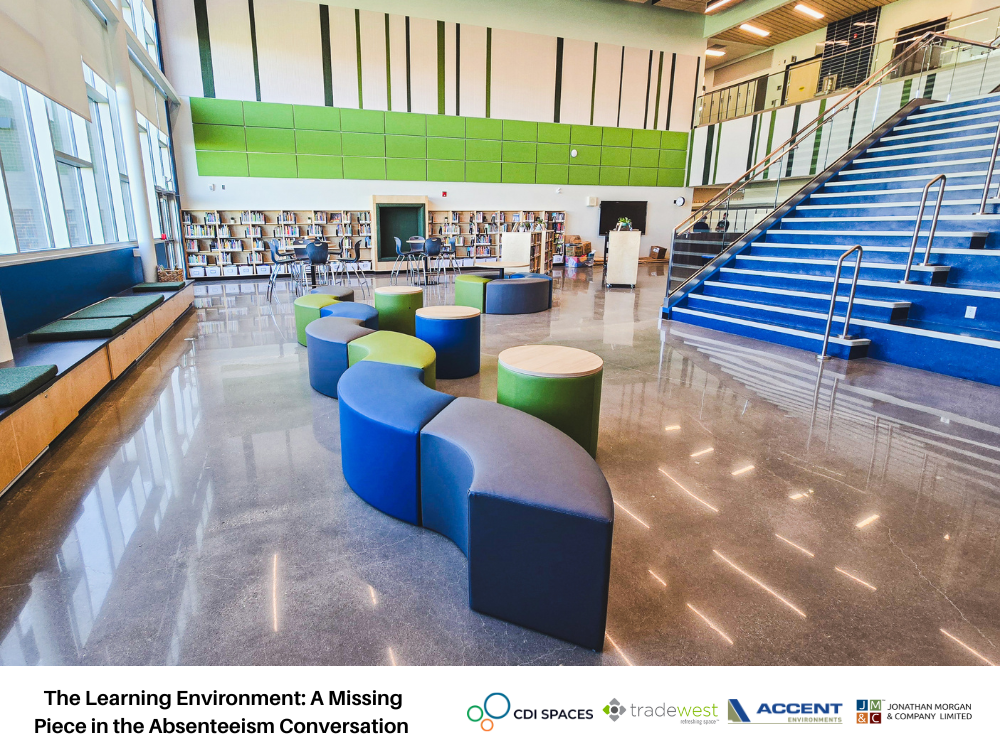
When schools talk about absenteeism, the focus often lands on external factors: family challenges, transportation issues, or student motivation. While these are important, there is a less obvious factor that gets overlooked: the learning environment itself.
Students do not just attend school because it is expected - they attend because the environment makes them want to be there. Classrooms, hallways, and common spaces are more than just functional; they communicate value, safety, and inspiration. When these spaces fall short, disengagement and absence become more likely.
Why Space Matters in Learning
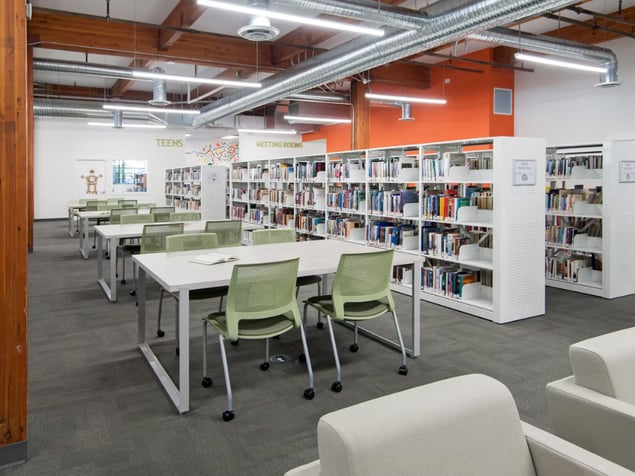
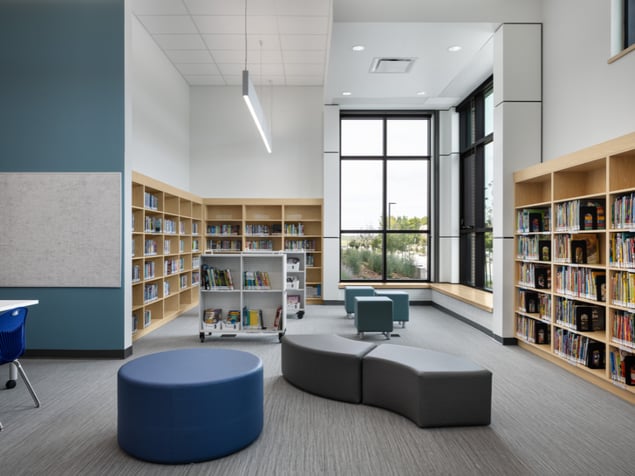
Just as adults thrive in workplaces designed for focus, collaboration, and comfort, students respond to learning environments that meet their needs. Flexible classrooms, accessible resources, and areas for both quiet reflection and active collaboration create a sense of engagement.
On the other hand, rigid layouts, crowded classrooms, and uninspiring furniture send subtle messages that can make students feel overlooked or constrained. Even small design choices, like the ability to rearrange desks, access natural light, or find a quiet corner, can influence a student’s willingness to show up and participate.
Furniture as a Learning Tool
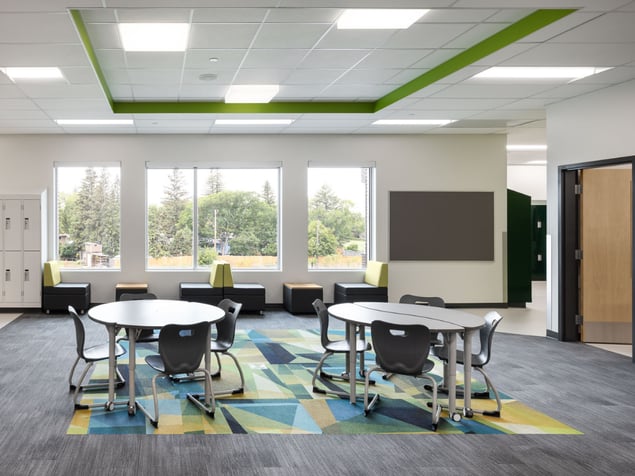
Furniture in schools is not just about seating; it is a tool for learning. Adjustable desks, modular tables, and supportive chairs allow classrooms to shift easily between group projects, independent study, and discussion-based learning. When students can move, adjust, and personalize their learning spaces, they feel more in control, comfortable, and ready to engage.
Just like workplaces invest in spaces that improve employee engagement, schools can create environments that naturally invite students to be present without the need for constant enforcement.
Rethinking Absenteeism
Chronic absenteeism will not be solved by attendance policies alone. Schools must also consider the physical and emotional messages their spaces send. When classrooms support diverse learning styles and student needs, they do more than facilitate instruction; they encourage students to show up, stay engaged, and participate consistently.
In this way, the learning environment becomes more than a backdrop. It becomes an active partner in engagement.