The End of One-Size-Fits-All: Why Adaptable Furniture Matters
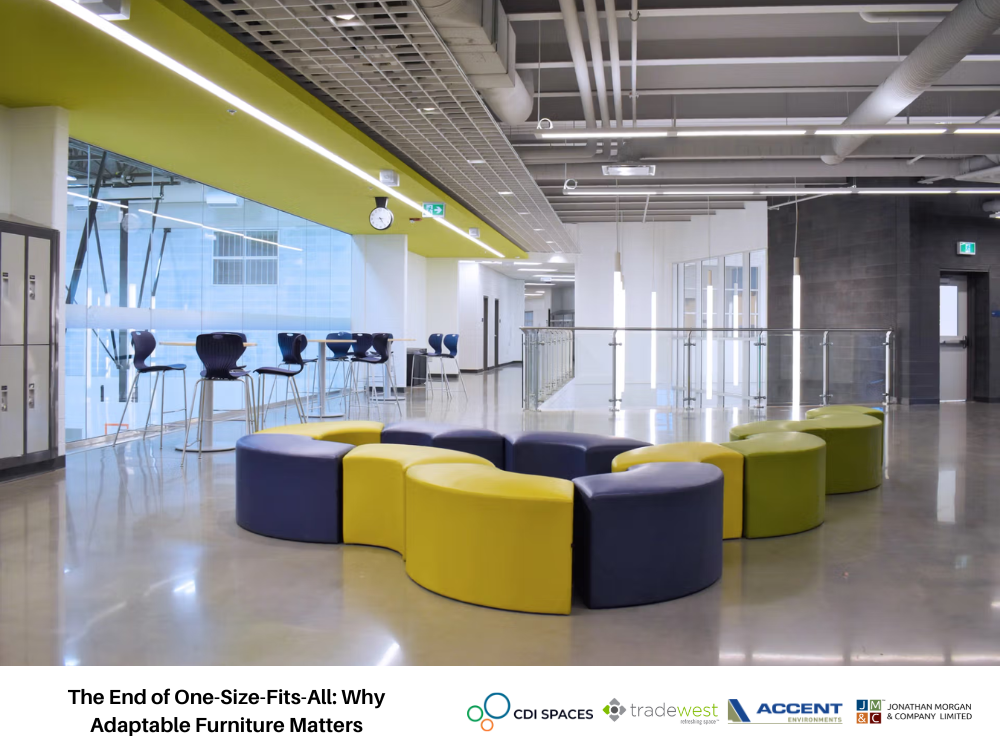
For years, many spaces were designed with a one-size-fits-all mindset. A classroom had rows of identical desks. An office had fixed cubicles. A meeting room had one large table and chairs that rarely moved. While this approach was simple, it didn’t always reflect how people actually work, learn, or collaborate.
Today, that mindset is shifting. Organizations are recognizing that spaces need to adapt just as quickly as the people who use them. Adaptable furniture is becoming an important part of creating environments that are flexible, practical, and ready for change.
Spaces Are Used in More Ways Than Ever
Whether it’s a workplace, school, healthcare facility, or community space, the way people use rooms throughout the day is constantly evolving.
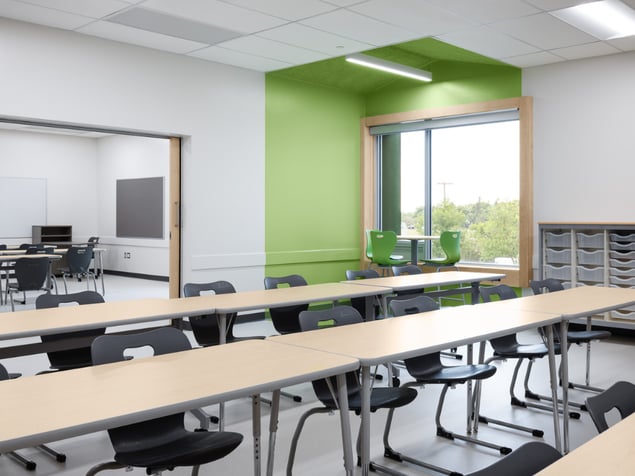
A training room might host a workshop in the morning, a team meeting in the afternoon, and a community event in the evening. A classroom might shift between group work, independent learning, and presentations in a single day.
When furniture is fixed or difficult to move, spaces become limited. Adaptable furniture allows users to reconfigure a room quickly so it can support different activities without requiring major changes to the space itself.
Supporting Different Working and Learning Styles
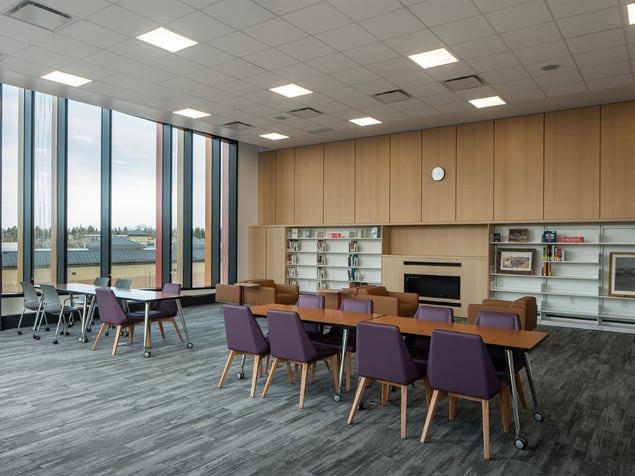
Not everyone works or learns the same way. Some people prefer quiet focus, while others thrive in collaborative environments. Adaptable furniture helps accommodate these differences.
Mobile tables, adjustable seating, and modular lounge pieces allow spaces to be arranged in ways that support both individual and group work. Instead of forcing people to adjust to the furniture, the furniture adjusts to them.
Making the Most of Existing Space
Real estate is expensive, and many organizations are looking for ways to make better use of the space they already have.
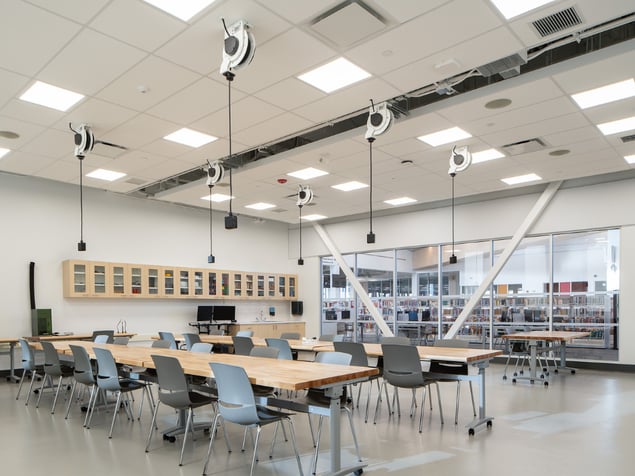
Adaptable furniture allows a single room to serve multiple purposes. Tables on casters can be rearranged quickly, stackable seating can be stored when not in use, and modular pieces can create different layouts depending on the need.
This flexibility helps organizations avoid the need for additional rooms while still supporting a wide range of activities.
Planning for the Future
One of the biggest advantages of adaptable furniture is that it helps spaces stay relevant over time. Needs change. Teams grow, programs evolve, and technology shifts.
Furniture that can be reconfigured, expanded, or repurposed makes it easier to adjust without replacing everything. It’s a practical way to future-proof a space and ensure it continues to work as needs evolve.
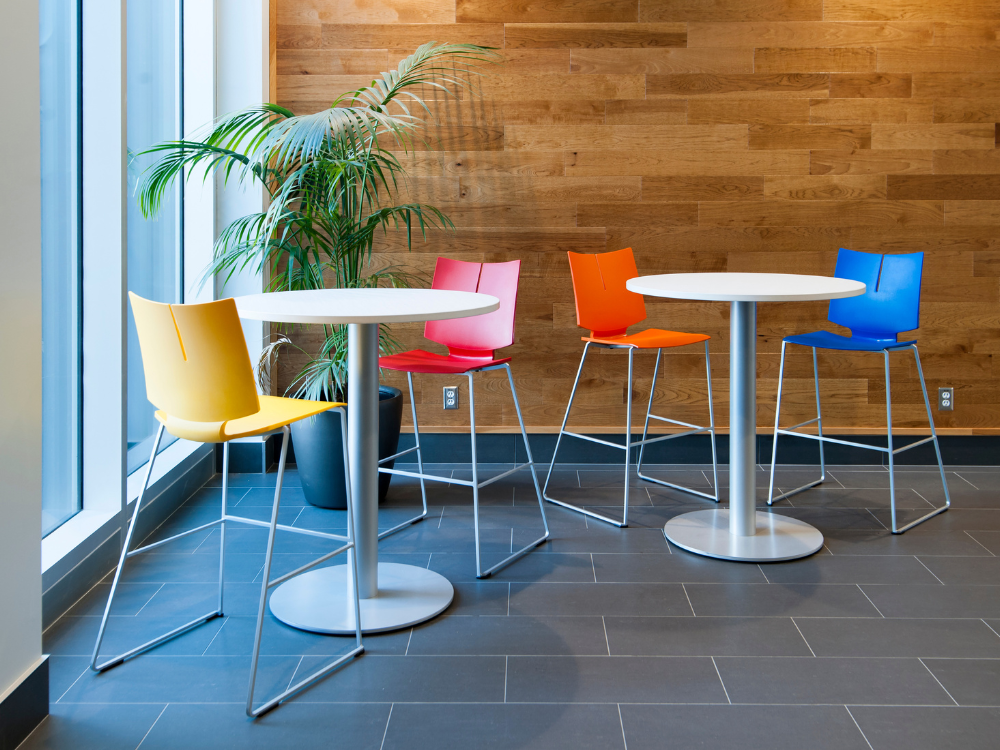
The days of designing spaces around fixed furniture layouts are fading. Today’s environments need to support flexibility, collaboration, and changing needs.
Adaptable furniture helps make that possible. By creating spaces that can shift and evolve throughout the day, organizations can support the people who use them without being limited by the furniture itself. Contact us today to learn how adaptable furniture can transform your space.