Open Office vs Private Spaces: Furniture That Supports Both
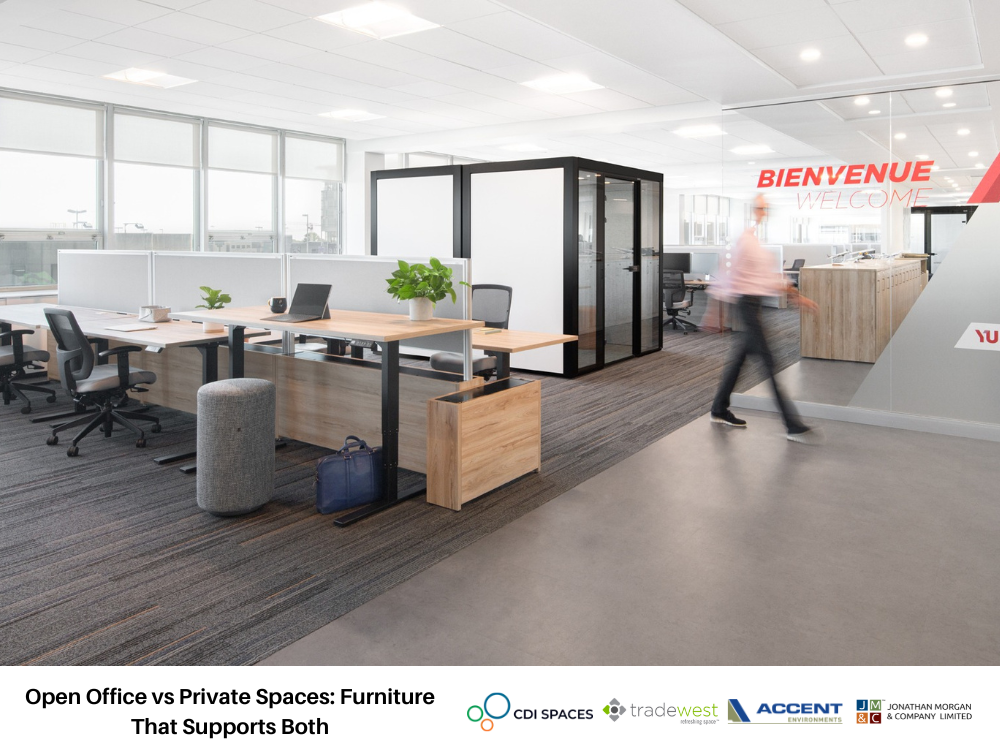
The debate between open offices and private workspaces has been going on for years. Open layouts encourage collaboration and communication, while private spaces offer focus and fewer distractions. The reality is that most workplaces need both, and the right furniture can make that balance possible.
The Benefits of Open Office Layouts
Open offices are designed to bring people together. With fewer barriers, teams can share ideas quickly and work more collaboratively.
What works well:
- Encourages teamwork and communication
- Makes better use of space
- Creates a more social, connected environment
The challenge:
Noise and distractions can make it harder for employees to focus on deep work.
The Value of Private Spaces
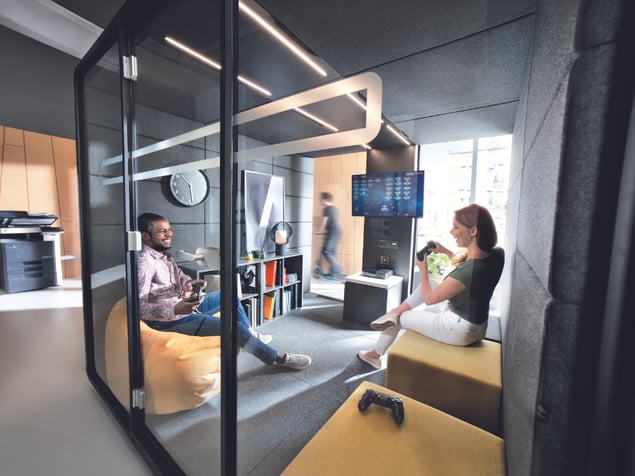
Private offices, pods, or quiet zones give employees a place to concentrate without interruptions.
What works well:
- Supports focus and productivity
- Provides privacy for calls or meetings
- Reduces noise and distractions
The challenge:
Too many closed-off spaces can limit collaboration and make teams feel disconnected.
Furniture That Bridges the Gap
Instead of choosing one layout over the other, many modern workplaces are combining both and using furniture to support flexibility.
1. Modular Workstations
Desks that can be rearranged or grouped allow teams to collaborate when needed and separate for focused work.
2. Acoustic Solutions
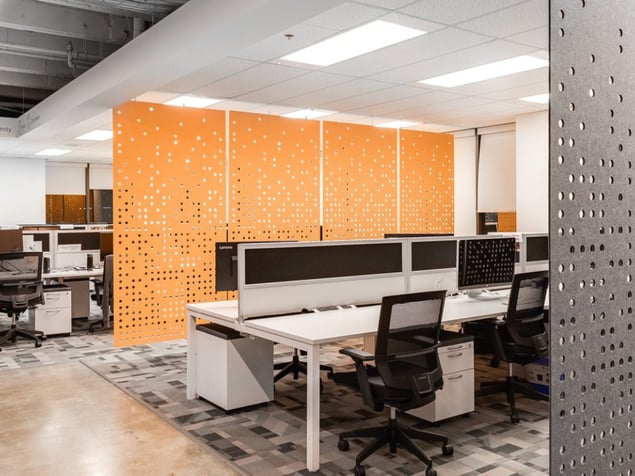
Panels, dividers, and sound-absorbing furniture help reduce noise in open areas without fully closing off the space.
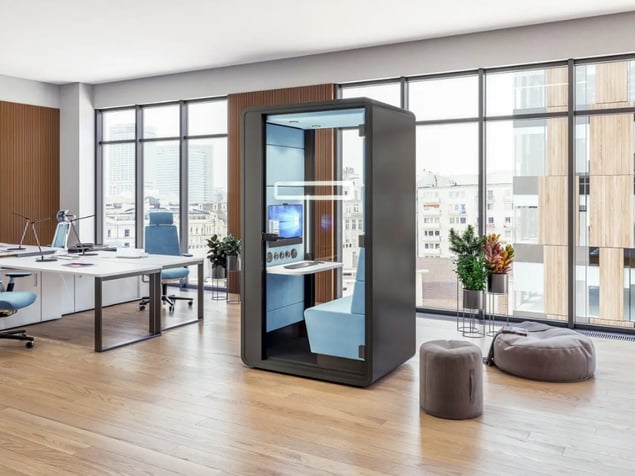
3. Private Pods and Booths
Compact, enclosed seating areas give employees a place to take calls or work quietly without needing full offices.
4. Sit-Stand Desks
Height-adjustable desks support comfort and movement in both open and private settings.
5. Multi-Use Spaces
Furniture that can easily shift between meeting areas and individual workstations helps maximize space and function.
Finding the Right Balance
The most effective offices aren’t fully open or fully private they’re designed with choice in mind. Employees should be able to move between collaborative areas and quiet spaces depending on the task.
Open offices support connections, while private spaces support concentration. With the right furniture in place, you don’t have to sacrifice one for the other.
A well-designed workspace gives people the flexibility to work the way they need to, whether that means collaborating with a team or focusing on a task without distractions. Let’s start designing.