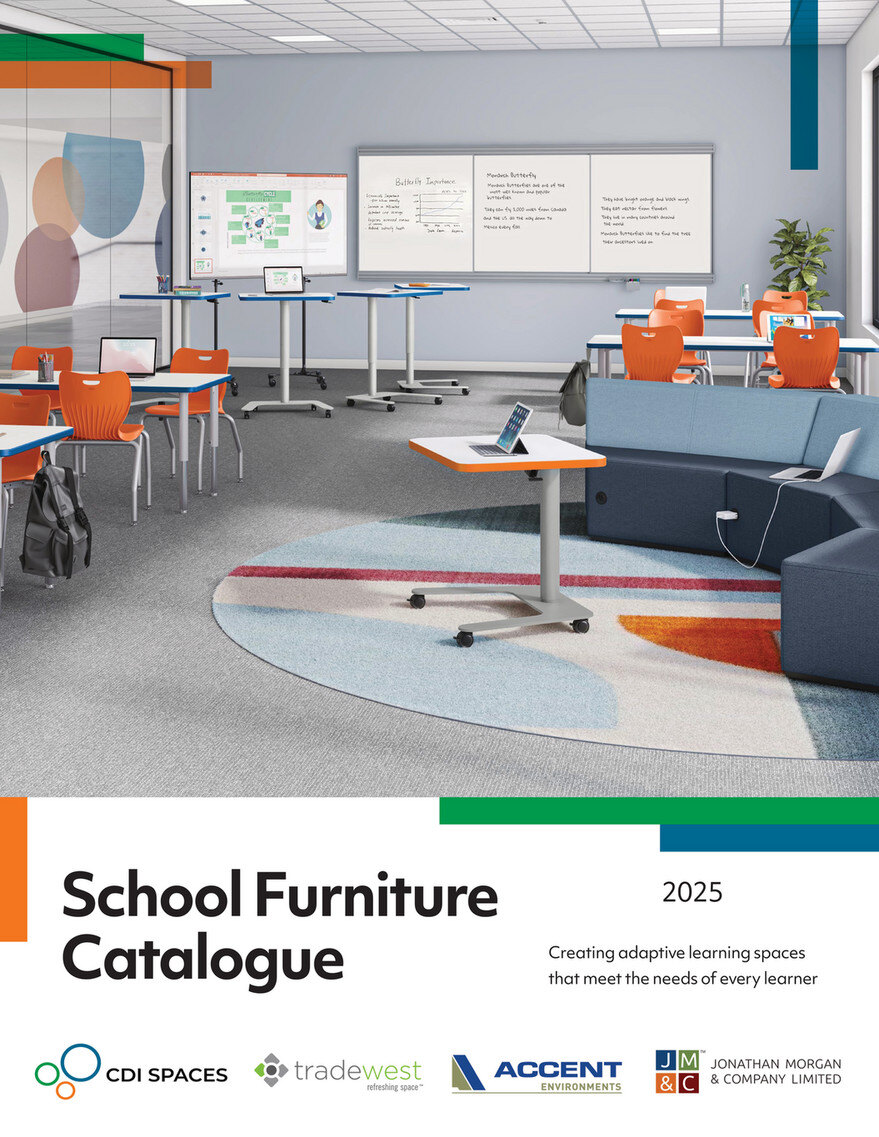
Designing Classrooms for Different Learning Styles
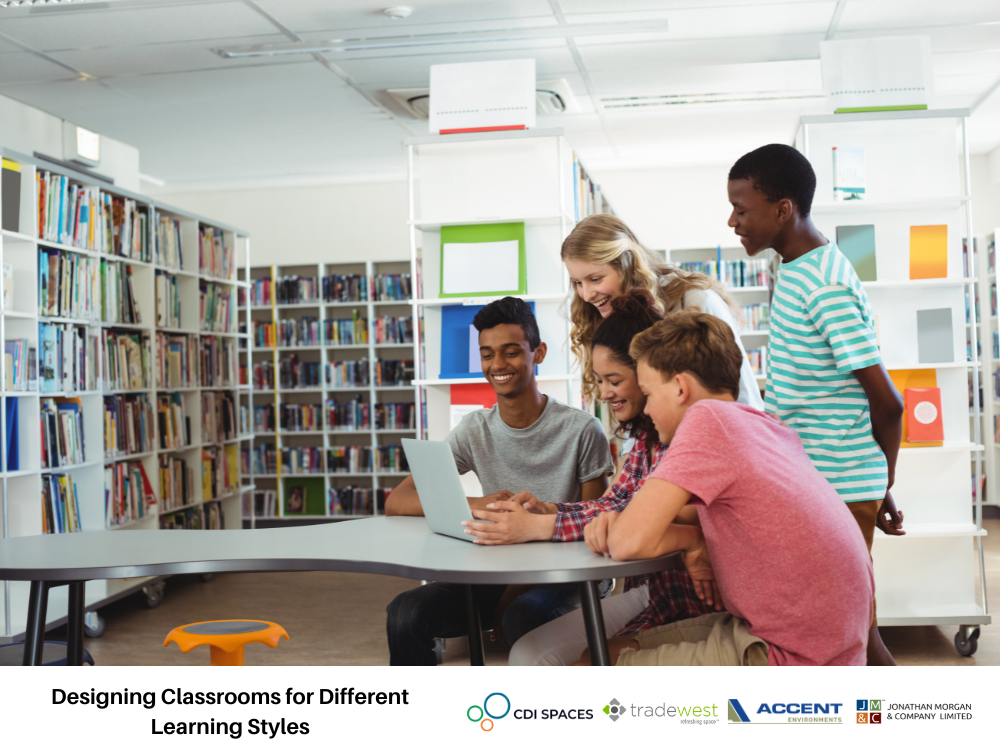
No two students learn the same way. Some prefer hands-on activities, while others learn best through listening or visual cues. That’s why classroom design plays a key role in supporting how students absorb and engage with information.
A well-designed classroom doesn’t focus on just one learning style; it creates a space where all students can thrive.
Understanding Different Learning Styles
While every student is unique, most learning preferences fall into a few common categories:
- Visual learners prefer images, charts, and clear sightlines
- Auditory learners benefit from listening and discussion
- Kinesthetic learners learn best through movement and hands-on activities
- Reading/Writing learners prefer text-based information and note-taking
Designing a classroom with these in mind helps create a more inclusive and effective learning environment.
Create Flexible Seating Options
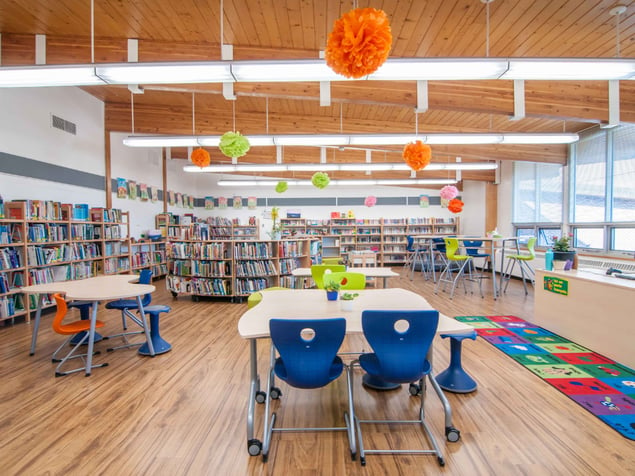
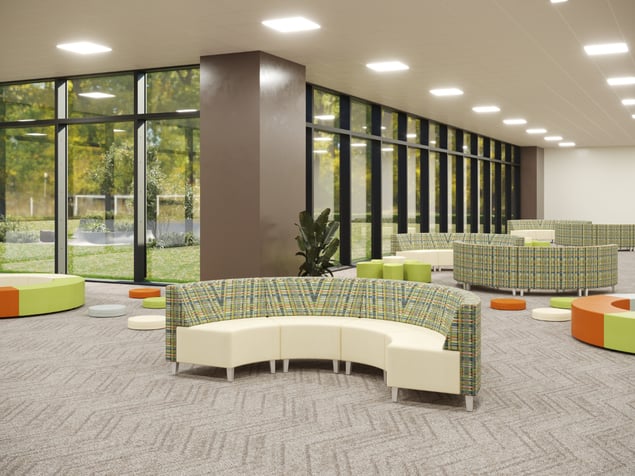
Offering a variety of seating, such as standard desks, standing desks, and soft seating gives students the ability to choose what works best for them.
Why it matters:
Students are more focused and comfortable when they can learn in a way that suits their needs.
2. Use Layouts That Support Multiple Activities
Incorporate different zones within the classroom, such as:
- A quiet area for independent work
- Group spaces for collaboration
- Open space for hands-on activities
Why it matters:
Different layouts support different types of learning without the need to constantly rearrange the room.
3. Incorporate Visual Elements
Use whiteboards, displays, charts, and color strategically throughout the classroom.
Why it matters:
Visual learners benefit from seeing information clearly, while others gain reinforcement through visual aid.
4. Allow for Movement
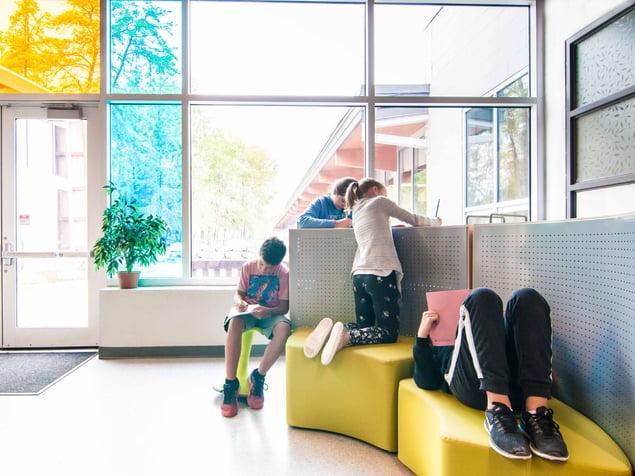
Design the space so students can easily move between areas or change positions during lessons.
Why it matters:
Movement helps kinesthetic learners stay engaged and can improve overall focus for the entire class.
5. Support Focus and Reduce Distractions
Include areas with minimal noise and visual clutter for students who need a quieter environment.
Why it matters:
Some students learn best in calm, structured spaces where they can fully concentrate.
Designing different learning styles doesn’t mean creating a complicated classroom; it means being intentional with how the space is used. Small changes, like adding flexible seating or creating dedicated zones, can make a big difference.
The goal is simple: create a classroom where every student has the opportunity to learn in the way that works best for them.