
Attendance Isn’t Just a Habit...It’s a Feeling
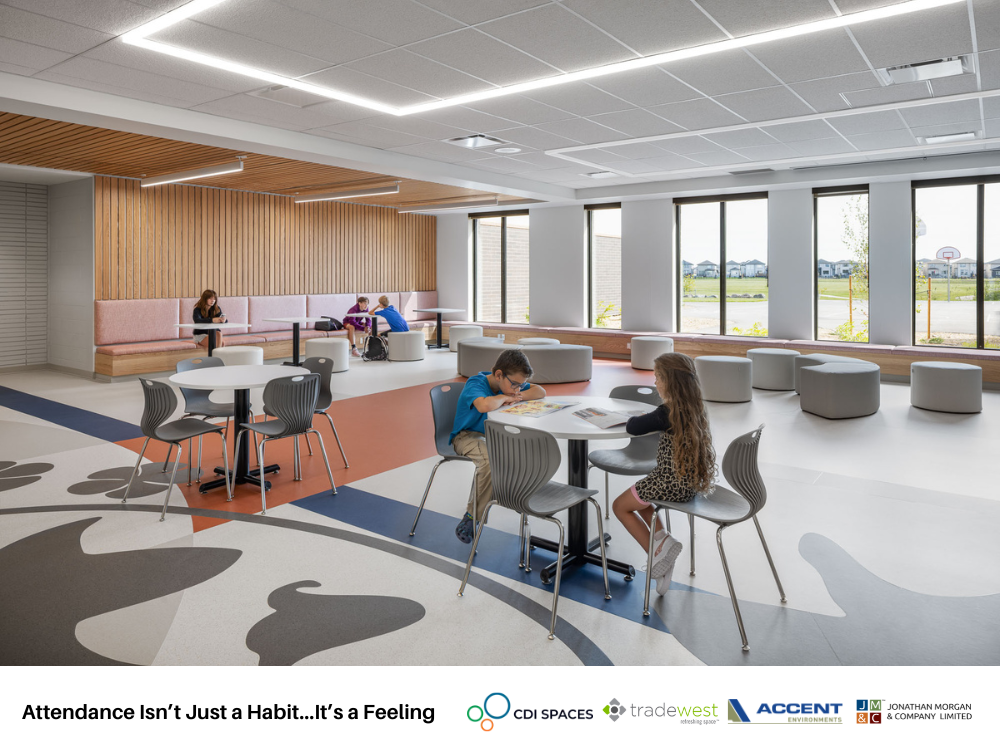
When we talk about attendance, the conversation usually revolves around numbers. Absenteeism rates. Chronic absence percentages. Reporting metrics. But attendance isn’t just a statistic. It’s a signal. Students don’t show up consistently because someone told them to. They show up because they want to. And that decision is deeply emotional.
Attendance isn’t just a habit. It’s a feeling.
Belonging Drives Presence
Research consistently highlights that students are more likely to attend school when they feel connected to peers, educators, and their environment.
A student who feels:
- Seen
- Safe
- Supported
- Valued
is far more likely to walk through the doors each morning.
Belonging isn’t created through policy. It’s built through everyday interactions and the spaces where those interactions happen.

The Environment Speaks Before Anyone Does
Before a teacher says good morning, before a lesson begins, the physical space has already communicated something.
- Is it welcoming?
- Is it flexible?
- Does it feel age appropriate and comfortable?
- Does it reflect the students who learn there?
Learning environments influence mood, engagement, and behaviour. Natural light, adaptable seating, collaborative zones, and quiet retreat areas all contribute to how students feel in a space. And how they feel impacts whether they want to return.
When classrooms are designed to support choice and movement, they encourage participation rather than passive attendance.
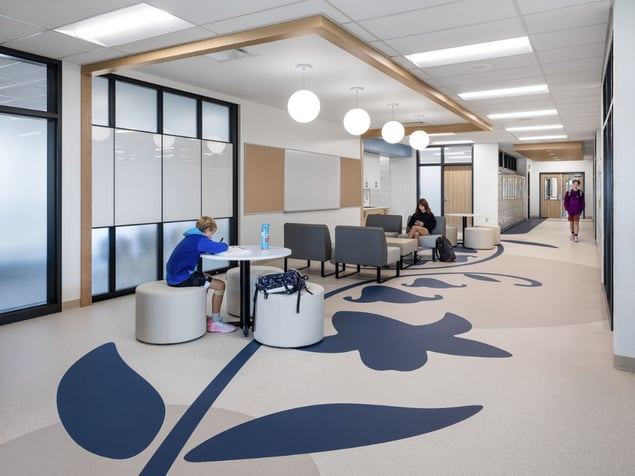
Emotional Safety Equals Consistent Attendance
Students don’t disengage randomly. Often, absenteeism is tied to anxiety, social stress, or feeling overwhelmed.
Spaces that:
- Support small group work
- Allow for quiet regulation breaks
- Reduce sensory overload
- Encourage collaboration without pressure
- Help lower emotional barriers to showing up.
When school feels manageable, attendance improves.
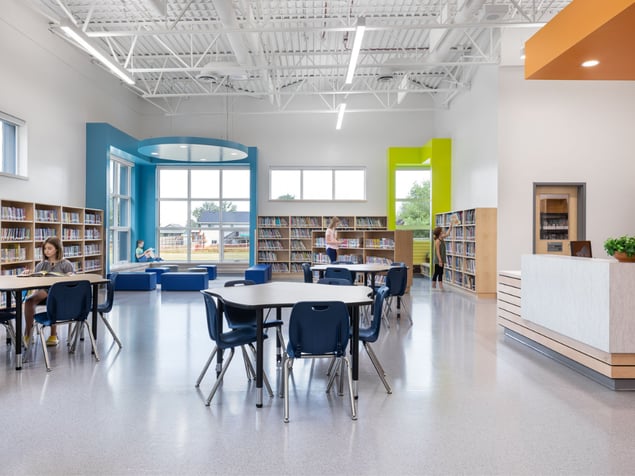
Attendance Is an Outcome, Not a Strategy
We cannot mandate belonging. We cannot policy our way into connection. But we can design for it. Improving attendance is not only about tracking who is missing. It is about asking why students feel disconnected and how we can create environments that invite them back.
When students feel comfortable, capable, and connected, attendance becomes natural.
- Not forced.
- Not monitored.
- Not managed.
- Just felt.

If we want students to show up consistently, we have to start by asking a different question.
Not “How do we enforce attendance?”
But “How does school make them feel?”